
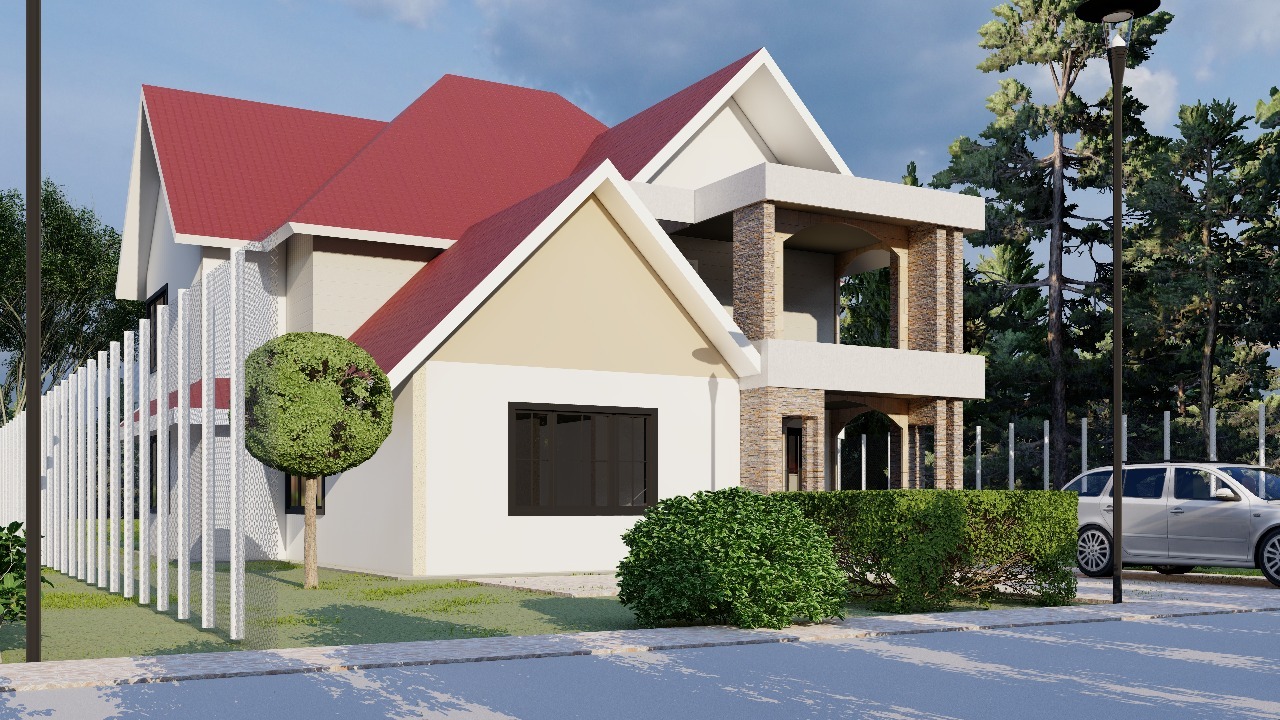
So, you’ve finally decided to build. You’ve got the land, the vision, and that folder of “dream home” photos saved on your phone. You’re ready to move from dreaming to digging! But then, the first batch of paperwork hits your desk, and suddenly, the excitement turns into a massive headache. Receiving multiple building quotations for your construction project is a major milestone—it’s the moment your dream gets a price tag. But as you flip through the pages, you realize something strange: no two bids look the same. One contractor sends you a neat, three-page breakdown quoting 4 million KES, while another sends a vague one-pager for 6 million KES for the exact same house. You’re left scratching your head, wondering, “Is the expensive guy overcharging me, or is the cheap guy forgetting the roof?”
In the construction world, a “cheap” building quotation can be the most expensive mistake you ever make. It’s the “budget trap” where hidden costs hide in the fine print, waiting to jump out and bite your wallet halfway through the project.
Before you sign on the dotted line and commit your hard-earned savings, you need to know how to read between the lines. Let’s pull back the curtain on the industry and look at the 5 non-negotiable things every building quotation must include to ensure your “dream home” doesn’t turn into a financial nightmare.
1. Detailed Material Specifications (The “What” and “Quality”)
A quote that simply says “Flooring – 200,000 KES” is a red flag. To avoid overspending, you need to know exactly what quality of material is being priced.
-
What to look for: Does the quote specify the brand of cement (e.g., Bamburi vs. Savannah), the gauge of the roofing sheets, or the type of floor tiles (ceramic vs. porcelain)?
-
The Risk: Without specs, a contractor might bid low using “Grade B” materials, only for you to realize later you wanted high-end finishes, leading to expensive “variation” costs mid-project.
2. Comprehensive Labor Breakdowns
Some contractors provide a “lump sum” for labor. This lacks transparency and makes it impossible to track progress against payments.
-
What to look for: Labor should be broken down by phase—substructure (foundation), walling, roofing, and finishes.
-
The Risk: If labor isn’t itemized, you might overpay upfront, leaving the contractor with little incentive to finish the complex finishing stages of the house.
3. Prime Cost (PC) Sums and Provisional Sums
In construction, some items can’t be priced exactly until the final moment (like specific light fixtures or kitchen appliances). These are handled via PC Sums.
-
What to look for: A professional bid will set aside a realistic “allowance” for these items. Compare these allowances across your bids. If one contractor sets a PC sum of 50,000 KES for kitchen cabinets while another sets 200,000 KES, the first contractor is likely lowballing the bid to look cheaper.
-
The Risk: Low PC sums lead to a “budget shock” when you realize the allowance doesn’t cover the actual cost of the items you want.
4. Validity Period (Price Protection)
With the fluctuation of fuel and material prices in 2026, a quotation cannot stay valid forever.
-
What to look for: Look for a clause that states: “This quotation is valid for 30 days.” * Why it matters: This protects you from sudden price hikes during the mobilization phase. If a contractor doesn’t provide a validity period, they might come back to you a month later demanding more money because “the price of steel went up,” even though you already signed the contract.
5. Preliminary and General (P&G) Costs
Construction isn’t just about bricks and mortar; it’s about the logistics required to get them there.
-
What to look for: Does the quote include site security, temporary water/power, hoarding (fencing), and insurance?
-
The Risk: Many “cheap” bids omit these. If they aren’t in the quote, guess who pays for the night guard’s salary or the temporary water connection? You do.
The Comparison Checklist
Before you sign any contract, use this quick comparison table:
| Feature | Contractor A | Contractor B | Zao Construction |
| Material Grades Defined? | No | Partially | Yes (Detailed) |
| PC Sums Realistic? | Very Low | High | Market-Accurate |
| Labor Itemized? | Lump Sum | By Phase | Detailed per Task |
| Includes Site Insurance? | No | No | Yes |
Final Thought: Trust the Process, Not Just the Price
A building quotation is more than a price tag; it’s a roadmap for your project. At Zao Construction, we pride ourselves on providing itemized, transparent bids that reflect the true cost of quality building. We believe it’s better to have an honest conversation about costs today than a difficult one about “hidden extras” tomorrow.